|
Artemesia
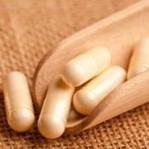
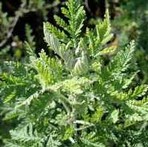
Artemesia is also known as wormwood or wilde als. This is a highly aromatic shrub of two meters in height. The name for the plant originates from the Queen Artemisia of Caria of Turkey who was so aggrieved by the death of her husband and brother that she mixed his ashes with whatever she drank to make it taste bitter. According to the description by NI Fiage PhD in Materia Medica the active malarial compound isolated from the leaves of Artemisia Annua, the Chinese relative of Artemisia Afra, is called qinghaosu which literally translated means “green herb” ( “Artemisia Annua as a Traditional Herbal Antimalarial” by Merlin Willcox et al) This was then given the Western name of artesiminin as it originates from the the plant Artemisia. Its leaves are mainly used and are extremely bitter. It is one of the most widely used and researched traditional remedies in South Africa and has a multitude of uses such as for coughs, colds and sinusitis where fresh leaves are inserted into the nostrils to clear blocked nasal passages. Fresh leaves can also be boiled and the steam inhaled. However its use for the prophylaxis and treatment of malaria has shown to be truly revolutionary. Traditionally Africans brew a tea from it and incorporate into their diet during the summer months when malaria is most prevalent. However its extreme bitterness is not attractive to the European palate. For animals it is useful as a immune modulator for the prophylaxis and treatment of African horse sickness and as the treatment for bilary (tick bite fever) in dogs and horses. It is available as a powder of 500g and 1kg for animal use and in capsule form in containers of 30, 60, 90 and 120’s.
More Information
|